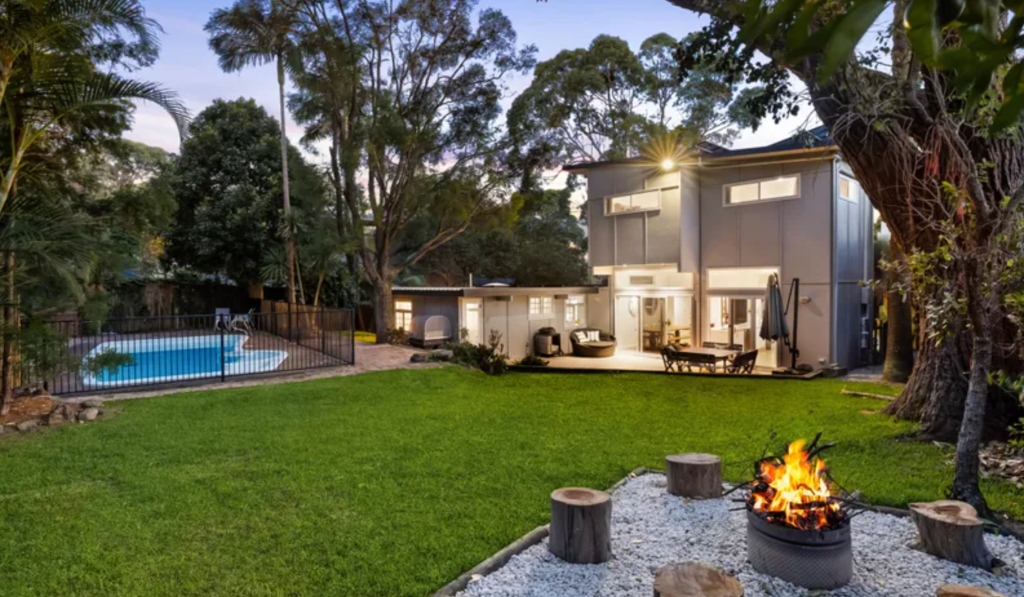
What's different about Cammeray gardens
The slope and the sandstone are the two constants. The natural soils are infertile Hawkesbury sandstone, so anything you want to thrive in a garden bed wants feeding and decent mulch — the ground won't do it for you. The blocks step down towards the water, which means retaining walls, stairs and terraced levels on a lot of properties.
The other thing about Cammeray is the bush. The suburb's reserves are some of North Sydney's most significant native habitat. Tunks Park runs for about a kilometre through a gully down to the Long Bay foreshore, and the council rates it as the most important reserve in North Sydney for native birds — superb fairy-wrens, eastern spinebills, eastern yellow robins and silvereyes. Primrose Park on the Willoughby Bay foreshore is urban bushland and part of a Middle Harbour wildlife corridor, with Blackbutt Gully Forest and Angophora Foreshore Forest on the steep slopes. If your back fence runs near one of these reserves, that habitat is doing some of your landscaping for you — and the native birds are worth gardening for.
A lot of native wildlife comes with all that bush, and some of it is protected. The council's line on feeding is worth knowing — they discourage feeding wild birds and animals, and recommend native habitat planting and bird baths instead. Ground-foraging birds will rearrange a fresh bed of mulch faster than you can lay it. That's a known thing up here.